
Other Wealth Concerns and Services

Financial Planning
Structured Roadmap for Financial Independence
Financial Planning is a structured process that aligns income, expenses, investments, insurance, and taxation with life goals.
Key Benefits
- Achieve Financial Goals
- Budget Management
- Emergency Preparedness
- Debt Optimization
- Investment Alignment
- Tax Efficiency
- Wealth Preservation
- Retirement Readiness
CCP delivers goal-based, life-stage financial planning frameworks.

Tax Planning & Asset Allocation
Optimizing Returns through Strategic Structuring
Tax planning focuses on minimizing tax liabilities, while asset allocation ensures balanced risk-return management through diversification.
Key Benefits
- Improved Financial Efficiency
- Optimized Returns
- Tax Compliance
- Increased Savings
- Higher Growth
- Enhanced Goal Achievement

Initial Public Offering (IPO)
Early Access to High-Growth Companies
An IPO enables investors to purchase shares of a company at the time it becomes publicly listed. IPOs offer early participation in emerging businesses with strong growth potential.
Key Benefits
- High Growth Potential
- Early Entry Advantage
- Portfolio Diversification
- Capital Appreciation
- Market Visibility
- Access to Innovative Ventures
CCP provides research-backed IPO evaluation to ensure informed participation.
Non-Convertible Debentures (NCDs) & Subordinated Debt

Cognizant Consulting Partners
Structured Fixed-Income Solutions for Stable and Predictable Returns
Non-Convertible Debentures (NCDs) and Subordinated Debt (Sub Debt) are structured corporate fixed-income instruments designed for investors seeking predictable cash flows, capital stability, and enhanced yield potential compared to traditional savings and deposit products.
These instruments form an integral part of a well-diversified wealth portfolio, particularly for investors prioritizing income generation, capital preservation, and risk-adjusted returns within a professionally managed investment framework.
At Cognizant Consulting Partners (CCP), NCDs and Sub Debt are positioned as strategic fixed-income components within long-term wealth structures, supporting income planning, retirement portfolios, and conservative-to-moderate risk investment strategies.

Non-Covertible Debentures
Fixed-Return Corporate Debt Instruments
What are NCDs?
Non-Convertible Debentures (NCDs) are debt instruments issued by companies to raise capital from investors. In exchange, investors receive periodic interest (coupon payments) and the repayment of principal at maturity. Unlike convertible instruments, NCDs do not convert into equity shares, ensuring investors remain purely lenders and not shareholders.
NCDs are governed by SEBI regulations and are typically rated by recognized credit rating agencies, enabling investors to assess issuer credit quality and risk profile before investing.
Investment Rationale
NCDs are suitable for investors seeking stable income, higher yields than bank deposits, and defined maturity structures without exposure to equity market volatility.
Key Benefits of NCDs
Capital Preservation
Principal repayment at maturity
No Equity Dilution
Pure debt exposure with no share conversion.
Higher Yields
Typically offer superior returns compared to traditional fixed deposits.
Reliable Fixed Returns
Pre-defined interest payments
Transparency
Clear terms, tenure, and payout structures
Regulated Framework
Issued under SEBI oversight and credit-rated
At CCP, NCD investments are selected based on issuer-specific fundamentals, credit ratings, balance sheet strength, sector outlook, and risk-adjusted yield evaluation.
Subordinated Debt (SUB DEBT)
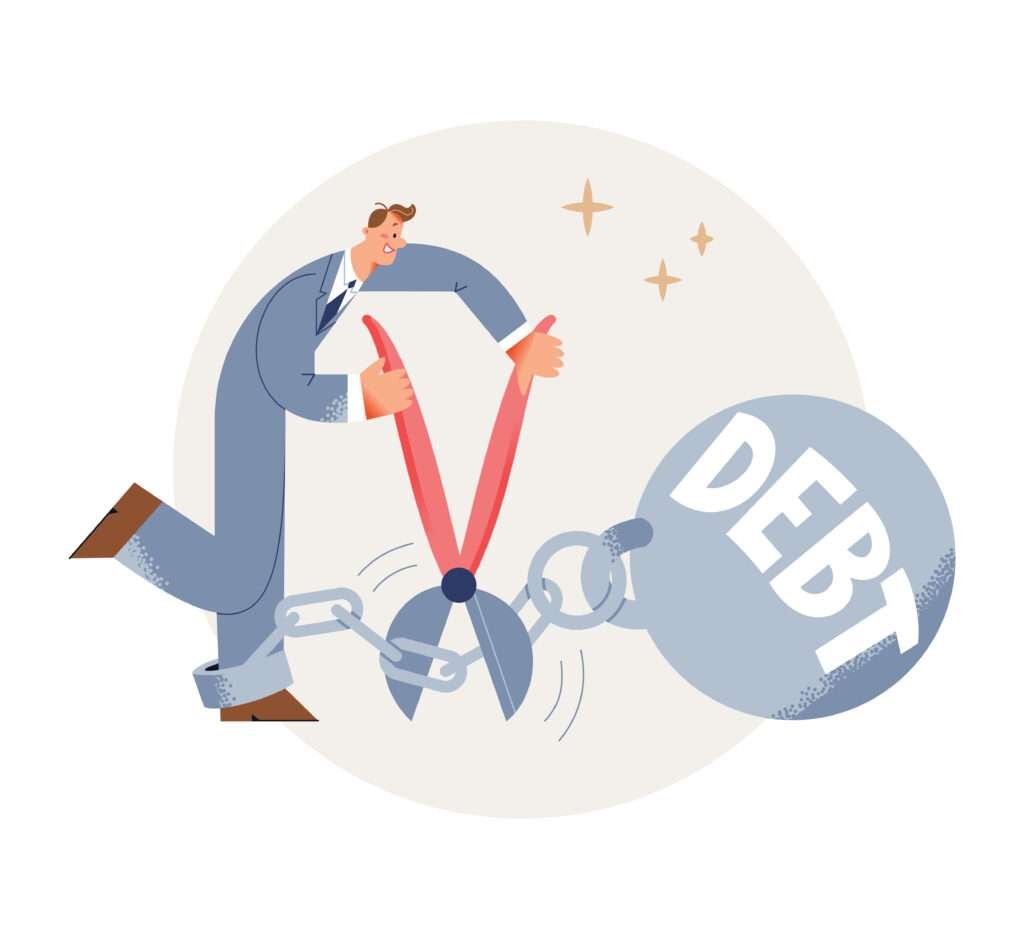
What is Subordinated Debt?
Higher-Yield, Long-Term Corporate Debt Instruments
Subordinated Debt, commonly referred to as Sub Debt, is a form of debt that ranks below senior debt in the repayment hierarchy. In the event of liquidation or bankruptcy, Sub Debt holders are repaid after senior creditors but before equity shareholders.
Sub Debt instruments are typically issued by banks, NBFCs, and financial institutions, often with longer tenures and higher interest rates to compensate for their lower repayment priority.
Investment Rationale
Sub Debt is designed for investors willing to assume moderately higher credit risk in exchange for enhanced returns, making it suitable for experienced and yield-focused investors.
Key Characteristics & Benefits of Sub Debt
Higher Returns
Premium yields compared to senior debt
Lower Priority in Repayment
Junior claim in liquidation hierarchy
Fixed Tenure
Defined maturity periods
Longer Maturity
Typically 7–10 years or more
Flexible Fund Usage
Issuers enjoy fewer restrictions
Less Restrictive Covenants
Greater operational flexibility for issuers
At CCP, Sub Debt investments are carefully evaluated through credit analysis, issuer financial strength, regulatory positioning, and long-term business sustainability assessments.
Cognizant Consulting Partners
NCDs & Sub Debt Within CCP’s Wealth Strategy
At Cognizant Consulting Partners, NCDs and Sub Debt are not positioned as standalone yield products. Instead, they are carefully integrated into a structured fixed-income strategy aligned with each client’s financial objectives, risk tolerance, and portfolio structure.
Strategic Portfolio Alignment
- Risk tolerance evaluation
- Income requirements planning
- Investment horizon alignment
- Liquidity preference assessment
- Portfolio diversification goals
Issuer Quality Assessment
Selection of financially strong and reliable issuers.
Structured Maturity Planning
Use of laddered maturities to balance liquidity and returns.
Credit Risk Evaluation
Analysis of ratings, credit strength, and downgrade risks.
Continuous Monitoring
Ongoing review of credit performance and market conditions.